Best Practices for Laboratory Distillation With Glassware
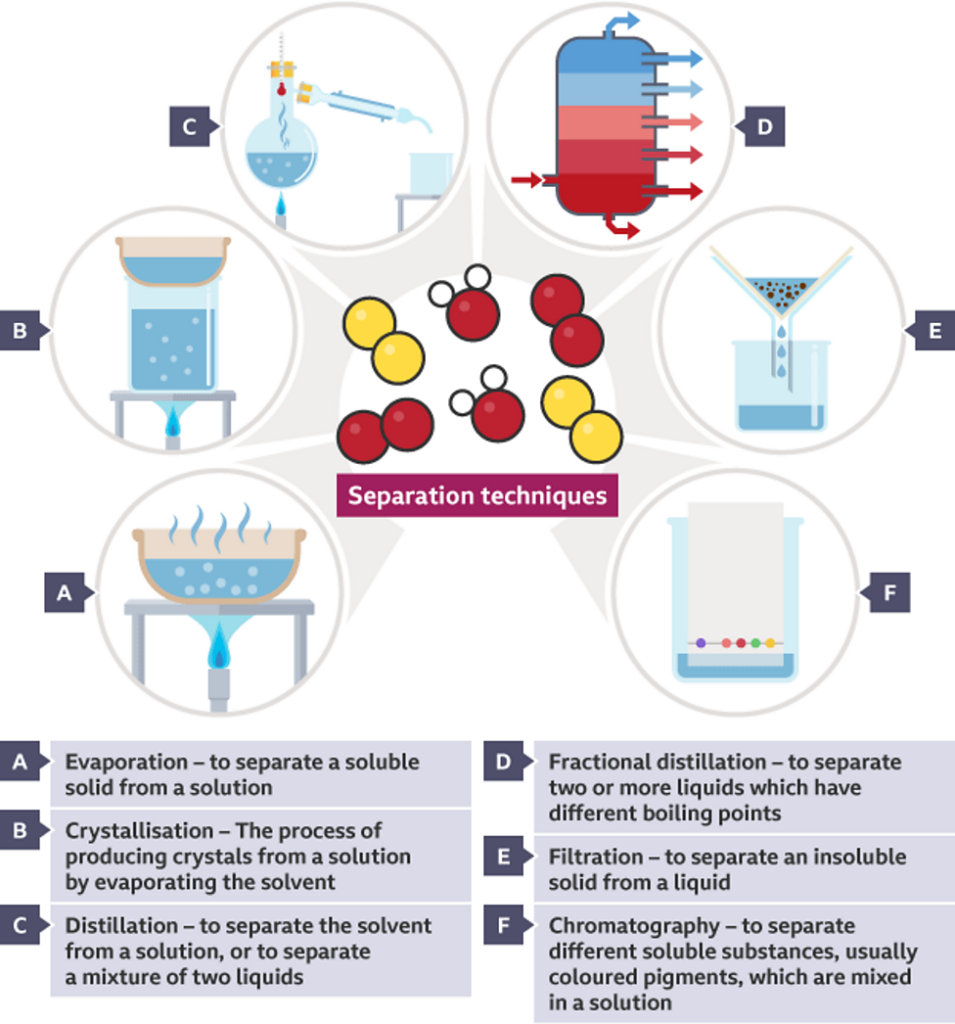
Distillation is one of the most fundamental laboratory techniques for separating, purifying, or concentrating liquids based on boiling point differences. Whether you’re conducting simple distillation or more complex fractional distillation, the correct setup is essential for both efficient separation and safe operation.
At [Your Company Name], we believe that every distillation starts with a strong foundation. This guide walks you through each stage of a safe, standardized distillation setup — from choosing the right glassware to finishing up without spills or hazards.
🧰 1. Select the Right Glassware Components
Choosing the correct types of glassware will determine how well your distillation performs.
Essentials for Simple Distillation:
-
Distillation flask (round-bottom)
-
Condenser (Liebig or Allihn)
-
Receiving flask
-
Thermometer adapter & thermometer
-
Stand, clamps, and boss heads
-
Heat source (heating mantle or oil bath)
For Fractional Distillation:
-
Fractionating column (packed or spinning)
-
Boiling chips or stones (to prevent bumping)
SAFETY TIP:
Always choose borosilicate glassware with standard taper joints for durability, thermal resistance, and compatibility.
🗂️ 2. Assemble Your Work Surface
A clean, dry, and stable bench area provides a safe foundation for setup.
✔ Clear all unrelated equipment
✔ Ensure adequate ventilation
✔ Place a drip tray or heat-resistant mat under the setup
✔ Keep heat sources away from flammable materials
Proper bench preparation reduces accidents and protects both user and setup.
🧪 3. Secure the Distillation Flask
Steps:
-
Attach the round-bottom flask to a stand using an adjustable clamp
-
Ensure the flask sits evenly and doesn’t wobble
-
If distilling volatile or hazardous liquids, position it behind splash protection
SAFETY TIP:
Avoid clamping the neck too tightly — this may stress the glass. Instead, support near the midsection with a cushioned clamp.
🌡️ 4. Insert Thermometer Correctly
The thermometer must be positioned at the juncture where vapor enters the condenser.
✔ Use a proper thermometer adapter
✔ Ensure the bulb sits just below the sidearm entrance
✔ Avoid contact between bulb & glass walls (this can skew readings)
WHY IT MATTERS:
Accurate temperature feedback is critical to identifying the boiling point of your distillate fraction.
🌀 5. Connect the Condenser Properly
Step by Step:
-
Slide the condenser into the receiving side of the distillation assembly
-
Secure with support clamps
-
Connect water inlet at the bottom and outlet at the top
COOLING TIP:
Check water flow before heating — reverse or uneven flow can cause back-pressure or heat increase.
💧 6. Set Up the Receiving Flask
Place the receiving flask low enough to collect distilled vapor easily.
✔ Insert stopper or adapter into the condenser exit
✔ Support flask with stand or clamp
✔ Check alignment to prevent spills
❗ NEVER seal the receiving flask — distillation must remain an open, continuous pathway.
🔥 7. Choose and Position Heat Source
Recommended Heat Sources:
-
Heating mantle — safest for round bottom glassware
-
Oil bath — ideal for controlled heating of high-boiling liquids
-
Hot plate with magnetic stirrer — useful for controlled ramps
SAFETY:
-
Avoid open flames when distilling flammable solvents
-
Use heat shields for added protection
▶️ 8. Begin Distillation Gradually
Follow this sequence for safe operation:
-
Turn on the cooling water slowly
-
Start heat at low-medium intensity
-
Observe liquid behaviour — stop increasing temperature if boiling too vigorously
PRO TIP:
Vigorous boiling can lead to bumping and splashing — both of which increase breakage risk.
💡 9. Monitor & Maintain Constant Conditions
During distillation:
-
Keep an eye on vapor temperature
-
Observe liquid levels in both flask and receiver
-
Adjust heating rate to maintain steady distillation
Steady conditions ensure clean fraction separation and reduced carry-over.
📊 10. Terminate the Process Safely
When the desired fraction is collected:
-
Turn off heat source
-
Allow system to cool before disconnecting
-
Turn off cooling water after glassware reaches room temp
IMPORTANT:
Never abruptly stop cooling or remove hot glass — this can cause thermal shock.
⚠️ Common Mistakes That Lead to Glass Breakage
🚫 Overheating:
Heating too fast can cause internal thermal stress.
🚫 Incorrect Joint Support:
Unsupported or misaligned joints increase strain.
🚫 Water Flow Reversal:
If condenser water flow is incorrect, pressure can build and fracture glass.
🚫 Sealed Receiving Flask:
Distillation requires vapor expansion — sealing causes pressure buildup.
Avoid these errors to reduce risk and prolong glassware life.
🧯 Glassware Safety Checklist
| Task | Yes/No |
|---|---|
| Correct glassware chosen | ☐ |
| Thermometer properly positioned | ☐ |
| Clamps secure but not too tight | ☐ |
| Water flow set correctly | ☐ |
| No seals on open collection | ☐ |
| Heating controlled | ☐ |
Keeping a checklist reduces errors and improves setup reliability.
🛠️ Troubleshooting Tips
❓ No Distillate?
✔ Check thermometer placement
✔ Ensure proper heating
✔ Verify good cooling water flow
🌡️ Temperature Too High
✔ Reduce heat
✔ Check for air pockets in condenser
💥 Bumping or Foam Buildup
✔ Add boiling chips
✔ Slower heat ramp
🧠 Why Correct Setup Matters
Proper distillation setup protects:
✅ Your glassware from breakage
✅ Your personnel from hazards
✅ The experiment from contamination
✅ The lab from spills and fire risks
Good setup practices reduce waste and improve data quality.
📩 Want Custom Distillation SOPs?
We can help you create Standard Operating Procedures (SOPs) specific to your lab:
✔ Lab-specific templates
✔ Safety signage
✔ Training outlines
✔ Protocol sequences
✔ Checklist sheets
👉 Email: safety@[yourdomain].com
👉 Phone: +XX-XXXX-XXXX