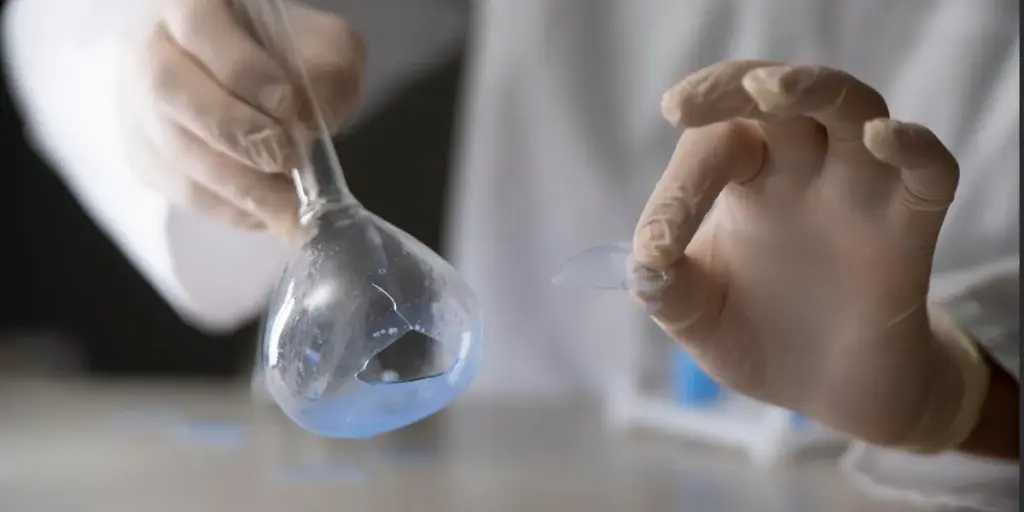
Best Practices, Handling Tips & Safety Protocols for Laboratory Glassware
Laboratory glassware is essential in scientific work for measuring, mixing, heating, and storing chemicals. However, despite its scientific advantages, glassware is inherently fragile. Breakage can lead to costly replacements, disrupted experiments, and — most importantly — safety hazards.
At [Your Company Name], we know that avoiding glass breakage not only protects your equipment investment but also safeguards researchers, students, and technical staff. That’s why we’ve compiled this comprehensive guide to help you reduce the risk of glass breakage while improving workflow efficiency in your lab.
🔎 Why Glass Breakage Happens
Before prevention is effective, it’s important to understand the root causes:
🔹 Thermal Shock
Rapid temperature changes — such as heated glass inserted into cold water — can cause fractures.
🔹 Mechanical Impact
Dropping, bumping, scraping, or knocking glassware against hard surfaces increases breakage risk.
🔹 Internal Stress
Drilled holes, scratches, or tiny micro-cracks from past use compromise structural integrity.
🔹 Chemical Attack
Certain aggressive chemicals can weaken glass surfaces if left in contact too long.
Each of these factors can significantly shorten the useful life of your glassware — even if the break isn’t immediately visible.
🛡️ Best Practices for Handling Glassware
Preventing breakage starts with the way glassware is handled. Here are foundational tips every lab must follow:
👇 Carry Glassware Safely
-
Always use both hands when carrying large or heavy glassware
-
Support vessels near the base, not just by the neck
-
Never carry glassware while handling chemicals simultaneously
🤝 Avoid Contact With Hard Surfaces
-
Place glassware gently on benches lined with silicone mats
-
Avoid overcrowding crowded work areas
-
Use padded shelving or racks
🧪 Inspect Before Use
-
Look for chips or cracks before handling
-
Discard or retire damaged items — do not attempt to repair
Even small chips can cause unpredictable failure during use.
🔥 Minimize Thermal Shock & Improper Heating
Glassware tolerates heat within limits — but sudden temperature change is a top cause of breakage.
🔸 Heat Gradually
Use controlled heat sources (e.g., hot plates instead of open flames) when possible.
🔸 Avoid Extreme Temperature Shifts
Never place hot glassware directly on cold surfaces or into cold liquids — this can cause catastrophic failure.
🔸 Use Appropriate Supports
Wire gauze and heat-resistant mats help distribute heat evenly and prevent localized stress.
Thermal shock prevention not only protects glassware — it helps maintain experiment continuity.
🧼 Cleaning & Drying Protocols That Protect Your Glassware
Improper cleaning or drying techniques can weaken glassware over time.
✔ Use Soft Brushes & Detergents
-
Avoid steel wool or abrasive pads that scratch surfaces
-
Rinse thoroughly after detergent use
✔ Avoid Sudden Temperature Changes While Cleaning
Do not pour cold rinse water into warm glassware. Allow items to cool completely before washing.
✔ Dry Carefully
-
Air-dry on racks
-
Avoid rapid heat drying on direct flames
Gentle, methodical cleaning prolongs service life and maintains surface quality.
🧱 Safe Storage & Organization
Proper storage not only prevents breakage — it improves lab efficiency.
📦 Storage Best Practices
✔ Use racks with soft padding
✔ Separate glass tubes vertically
✔ Stack flasks with separators to avoid contact
✔ Label shelves clearly
📌 Tips for Special Glassware
-
Long neck flasks: store horizontally on padded racks
-
Test tubes: use holders instead of bins
-
Beakers: stack only when designed for stacking
Thoughtful storage reduces accidental cracking and keeps inventory intact.
🧰 Tool & Accessory Support to Prevent Breakage
Using the right tools is essential in maintaining glassware integrity.
🔺 Use Proper Holders & Clamps
-
Support glassware securely when heated or under vacuum
-
Choose clamps sized appropriately for glass tubes, condensers, and flasks
🔺 Accessories That Help
✔ Silicone sleeves for fragile tubes
✔ Foam or soft inserts for transport
✔ Rubber or silicone stoppers for fitted closures
These accessories reduce direct stress on the glass itself.
🧪 Handling Specialized Processes Safely
Certain procedures carry higher breakage risk:
🔹 Vacuum Operations
-
Never operate with visible defects
-
Use protective shields
-
Check all joints before applying negative pressure
🔹 Distillation & Reflux
-
Secure condensers with proper clamps
-
Avoid thermal shock during cycling
-
Maintain constant monitoring
Breakage during high-pressure or heating operations can lead to severe hazards — follow safety practices strictly.
📊 Training & Team Awareness
The best prevention system is one your team fully understands and consistently applies.
🔹 Train New Users
Include glassware handling protocols in onboarding.
🔹 Reinforce Safe Habits
Review procedures periodically in safety meetings.
🔹 Encourage Reporting
Workers should report chips, cracks, or unsafe conditions immediately.
Safety awareness prevents breakage and keeps labs compliant with good laboratory practices.
📦 Responding to Breakage When It Happens
Even with precautions, breakage can occur. Having the right response minimizes risk:
🧹 Immediate Actions
-
Alert nearby personnel
-
Clear area if chemicals spilled
-
Wear cut-resistant gloves
🧰 Safe Cleanup
-
Use a broom/dustpan — never bare hands
-
Place fragments in labeled sharps containers
-
Decontaminate surfaces after chemical exposure
🩹 First Aid
Know location of eyewash stations, first aid kits, and nearest medical support.
A clear response plan reduces injury and restores order swiftly.
📌 Key Takeaways: Preventing Glass Breakage
| Practice | Benefit |
|---|---|
| Gentle handling | Reduces impact stress |
| Temperature control | Prevents thermal cracks |
| Proper storage | Avoids accidental knocks |
| Routine inspection | Removes compromised items |
| Correct tools | Supports safe operation |
Preventing breakage improves safety, extends glassware lifetime, and supports uninterrupted scientific work.
📩 Need Lab-Specific Safety SOPs?
We can help you create:
✔ Standard Operating Procedures for glass handling
✔ Custom safety signs & guides
✔ On-site training materials
✔ Incident reporting templates
👉 Email: safety@[yourdomain].com
👉 Phone: +XX-XXXX-XXXX