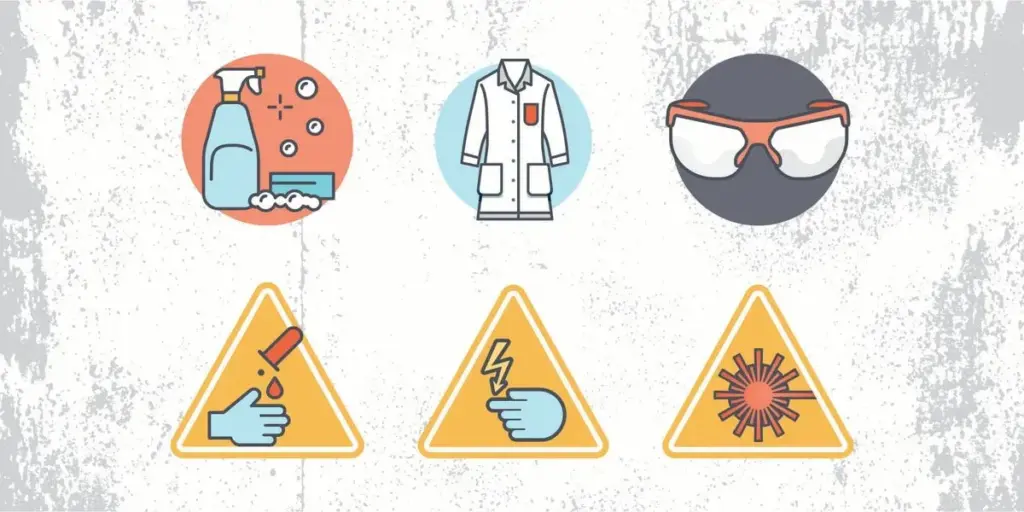
Best Practices, Guidelines & Handling Tips for Scientific Environments
Laboratory glassware is an indispensable part of scientific work — but it also presents unique safety challenges. Proper handling, storage, maintenance, and usage protocols are essential to protect personnel, ensure experimental integrity, and prolong the life of your glassware.
At [Your Company Name], we understand how critical safety is in laboratory environments. That’s why we’ve compiled this comprehensive guide to help you foster a safer, more efficient workspace when using glassware.
🔎 Why Glassware Safety Matters
Laboratory glassware is made of materials like borosilicate that are designed to resist thermal and chemical stress — but these materials are not indestructible. Hazards can arise from:
-
Thermal shock (sudden temperature changes)
-
Mechanical stress (impact or bending)
-
Chemical interaction and corrosion
-
Incorrect handling or storage
-
Poor maintenance and cleaning practices
Safety protocols help prevent accidents, protect personnel, and preserve valuable experiments and equipment.
🧤 1. Personal Protective Equipment (PPE)
Before you ever touch glassware, make sure you have the right protection:
Essential PPE Includes:
✔ Safety goggles or face shields
✔ Chemical-resistant gloves
✔ Closed-toe shoes
✔ Lab coat or protective apron
✔ Heat-resistant gloves (for hot glassware)
These items act as barriers against:
-
Chemical splashes
-
Glass breakage
-
Hot surfaces
-
Thermal burns
Always inspect PPE before use and replace worn or damaged equipment promptly.
🔥 2. Safe Heating & Temperature Handling
Glassware can tolerate high temperatures — but sudden temperature changes can cause it to crack or shatter.
Best Practices:
✔ Pre-heat glassware gradually
✔ Avoid placing hot glassware directly on cold surfaces
✔ Use wire gauze or heat-resistant mats
✔ Never heat sealed containers (pressure risk)
Thermal Shock Prevention:
Glass can explode from thermal shock even when just slightly heated incorrectly. Allow glassware to cool gradually before cleaning or re-using.
⚠️ 3. Chemical Compatibility Awareness
Not all chemicals are compatible with all glassware types.
✔ Always check chemical compatibility charts
✔ Avoid storing strong alkaline solutions in unsupported glassware
✔ Use appropriate containers with resistant coatings when needed
Improper chemical storage can weaken glass structure or cause etching and stress fractures.
🧪 4. Correct Handling & Transfer Techniques
Handling Guidelines:
-
Carry glassware with both hands
-
Support long or heavy pieces near the base
-
Never carry broken or chipped glassware
-
Use tongs or heatproof holders for hot equipment
Liquid Transfer Tips:
-
Use funnels for accuracy and spill prevention
-
Employ pipettes with safety bulbs
-
Slowly add liquids to avoid splashbacks
Careful transfer keeps workspaces clean and minimizes contamination risks.
🧼 5. Cleaning & Drying Best Practices
Glassware must be cleaned thoroughly between uses to prevent cross-contamination.
Cleaning Checklist:
✔ Rinse with tap water immediately after use
✔ Use detergents designed for laboratory glassware
✔ Brush internal surfaces as needed
✔ Rinse thoroughly before drying
Drying Tips:
-
Air-dry on racks
-
Avoid heat drying fragile joints or thin walls
-
Use lint-free cloths for delicate pieces
Proper cleaning preserves measurement accuracy and surface quality.
🧱 6. Storage & Organization
Proper storage reduces risk of breakage and makes it easier to find what you need.
Storage Essentials:
✔ Use padded racks or shelving systems
✔ Store tall glassware horizontally if unstable
✔ Separate chemicals from general glassware
✔ Label shelves and bins clearly
Unlabeled or poorly stored glassware increases the chance of accidents and contamination.
🛡️ 7. Inspection & Equipment Maintenance
Routine inspection helps catch small issues before they escalate.
Inspect For:
-
Cracks
-
Chipped edges
-
Loose joints
-
Worn graduations
Damaged glassware should be retired immediately — even small defects can compromise safety and accuracy.
⚡ 8. Emergency Preparedness & First Aid
Every laboratory should have accessible emergency equipment:
✔ First aid kit
✔ Fire extinguisher
✔ Safety shower and eyewash station
✔ Spill containment kits
If a glass break occurs:
-
Alert nearby personnel
-
Wear protective gloves
-
Use a brush and dustpan — never bare hands
-
Dispose of fragments in a designated sharps container
Having a plan reduces panic and injury in critical moments.
📘 9. Training & Best Practice Culture
Training is the cornerstone of laboratory safety.
✔ Provide safety orientation for new users
✔ Regularly review protocols with teams
✔ Conduct hazard assessments before experiments
✔ Encourage reporting of unsafe conditions
A culture of safety reduces accidents and improves overall workflow efficiency.
🔎 10. Safe Disposal Practices
Used glassware must be disposed of correctly — separate from general waste.
Disposal Guidelines:
-
Place broken glass in marked sharps containers
-
Label chemical residue containers
-
Follow institutional disposal policies
-
Never discard glassware in regular trash bins
Proper disposal protects custodial staff and waste handlers.
🧠 11. Safety in Specialized Applications
Certain experiments demand advanced safety focus:
Distillation & Heat Reflux
-
Use clamps and secure stands
-
Check for blocked condensers
-
Avoid rapid heating
Vacuum Systems
-
Inspect joints for tight seals
-
Avoid cracked or frosted surfaces
-
Use protective shields
High-Pressure or Temperature Reactions
-
Use certified pressure-rated glassware
-
Wear face shields and heat gloves
-
Position screens between operators and equipment
Matching safety procedures to experiment types reduces risk exponentially.
📌 Your Safety Is Our Priority
Glassware is a powerful tool — but misuse or poor handling can lead to injury, contamination, or destroyed samples. Implementing correct safety protocols protects:
-
Laboratory personnel
-
Experiments and research outcomes
-
Laboratory infrastructure
-
Your investment in equipment
Adopting these safety essentials will help your team work confidently and responsibly.
📩 Need Customized Safety Training or Protocol Guides?
We can help! Reach out for:
✔ Tailored safety training materials
✔ Custom SOP templates for your lab
✔ On-site training support
👉 Email: safety@[yourdomain].com
👉 Phone: +XX-XXXX-XXXX